How to find rare skin variants on the market

A rare item is an item that costs more than a regular item due to parameters not visible in the name. You can find one on the market, and sometimes even at the usual price - simply because the seller did not check what he has. This is the main opportunity in this part of the market.
What is generally considered rare, how to filter lots by float and pattern, where to look for undervalued items and why you won’t be able to sell such a piece quickly.
What makes an item rare
Extreme float. Values are at the very limits of the range: record lows for Factory New or, conversely, high for Battle-Scarred. Collected for the sake of the number itself.
float at the state boundary. Field-Tested at about 0.15 looks almost like Minimal Wear, but is sold at the FT price list. The most practical search category.
Rare pattern. On Case Hardened, Doppler, Marble Fade, Fade and similar finishes, the number matters more than the condition.
Stickers. Expensive or rare combinations, especially four of a kind, which in the lot list look like the usual skin.
What all four have in common: this is not visible in the name of the item. That is why such lots end up on the market at regular prices.
How to search
Without an extension that shows the parameters directly in the list of lots, the search turns into opening each position one at a time. With the extension, you see float and pattern of all lots at once and view the page in seconds.
Work with one or two coverages, not the entire market. To notice an undervalued item, you need to know the normal price - and this can only be gained by regularly viewing the same item.
Look where the offer is big. On skin with two lots there is nothing to look for, on skin with three hundred - there is a chance that someone offered a good copy at the price of a regular one.
Check new lots, not old ones. Everything that is obviously undervalued is quickly sorted out; something that has been hanging for a week has most likely already been viewed by many.
- Tier lists patterns are created by the community, they are not official.
- Look at the drawing itself, and not just the number: you are buying the appearance.
- Save the inspect link before purchasing.
Checks before buying
Open the inspect link for a specific lot in the checker and check everything: float, pattern, each sticker with the scraping percentage.
Then look at the item in the game. The render on the website and the live model sometimes differ noticeably, especially on surfaces with complex textures.
And most importantly, find completed sales of comparable items. If they are not there, you have found not a rarity, but an item that has no one to sell. These are different things, and it is expensive to confuse them.
Selling can be harder than buying
You bought from someone who didn't know the value. It will have to be sold to someone who understands it and is specifically looking for it - and there are far fewer of them.
On the mass market, your rare copy will not be seen: buyers filter by price and take the cheapest lot. We need a platform or community where such parameters are sought purposefully.
Set the deadline in months, not days, and don’t invest your entire budget in such searches. One rare copy that is not sold freezes money for a long time.
Frequently asked questions
How can I find a low-float skin?
Install an extension that shows float in the list of lots and view pages of items with more offers.
What is a low-float listing?
An instance with float is at the lower limit of its state. It looks better than usual, but is worth the price of a fortune.
Can I find a rare pattern below its usual market price?
Yes, when the seller did not check what kind of copy he had. This is what the search is based on, but such lots are sold out quickly.
Do rare items sell quickly?
No. There are far fewer buyers who understand the value of parameters. The sales period is usually measured in months.
Can pattern tier lists be trusted?
As a guide, yes, they are compiled by the community. The real price is confirmed only by completed transactions with similar items.
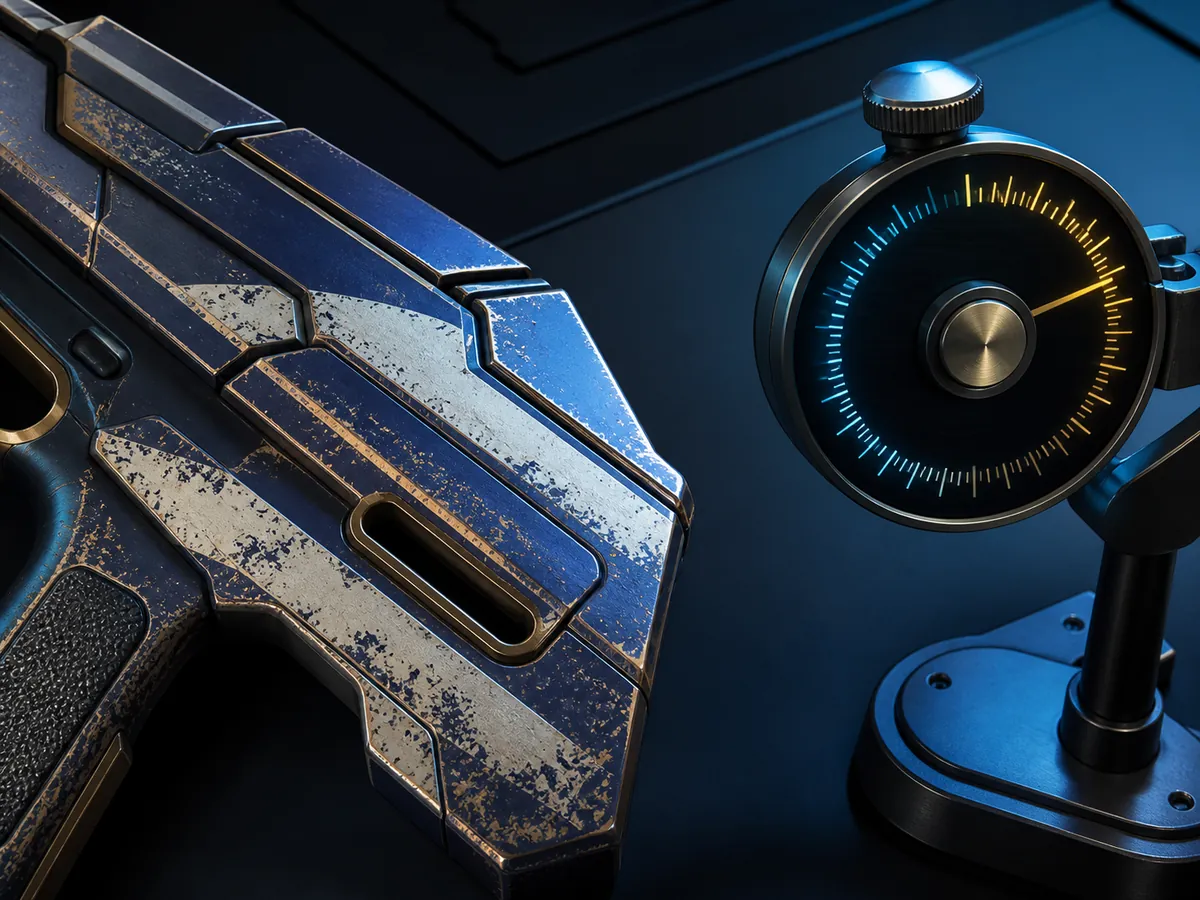
CS2 float value: wear ranges and when it matters
Learn what float means, the five exterior ranges and how to inspect a specific CS2 skin. Understand when a lower number can justify a premium.
Read guide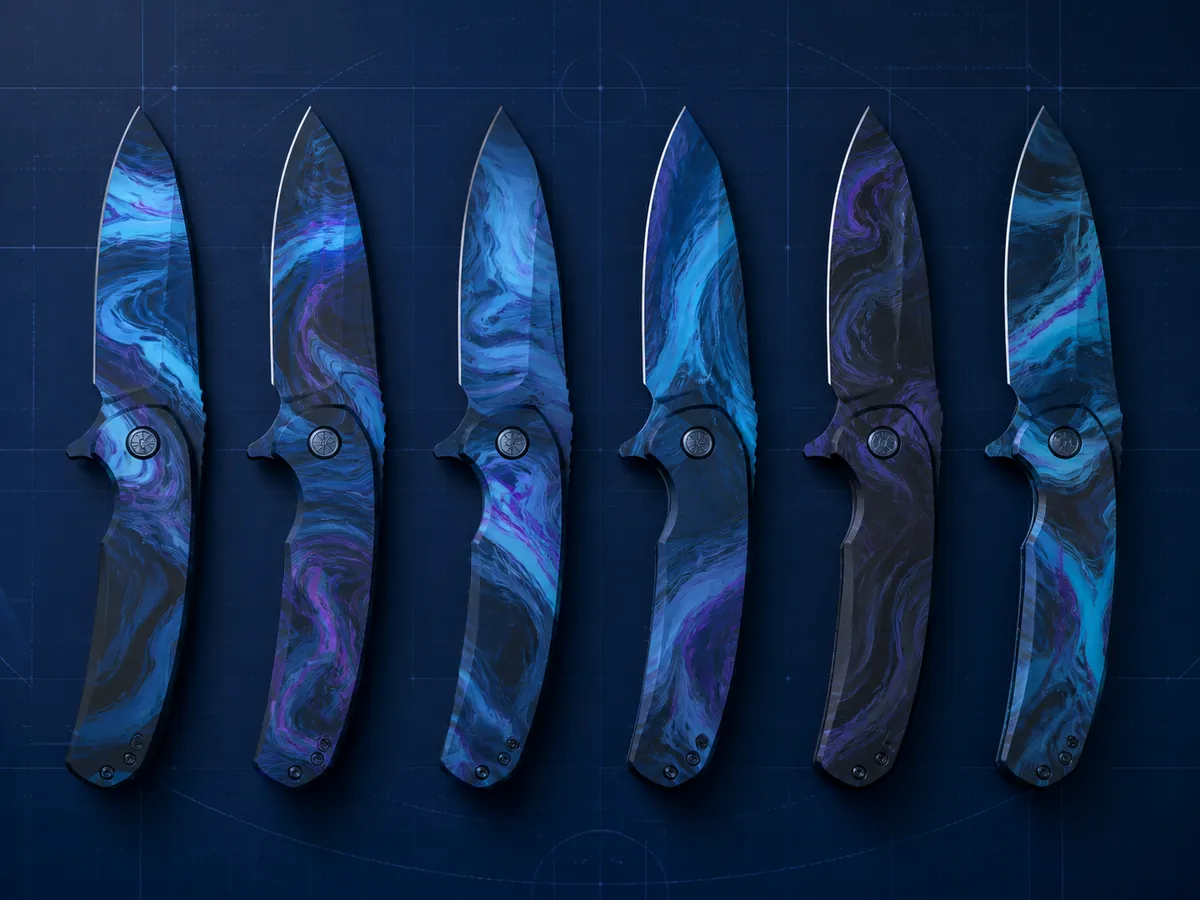
CS2 pattern index: what the number actually changes
Understand pattern seeds, texture placement and collector premiums. Learn to compare a specific pattern without confusing it with wear or rarity.
Read guide