CS2 case simulators: probabilities and expected returns
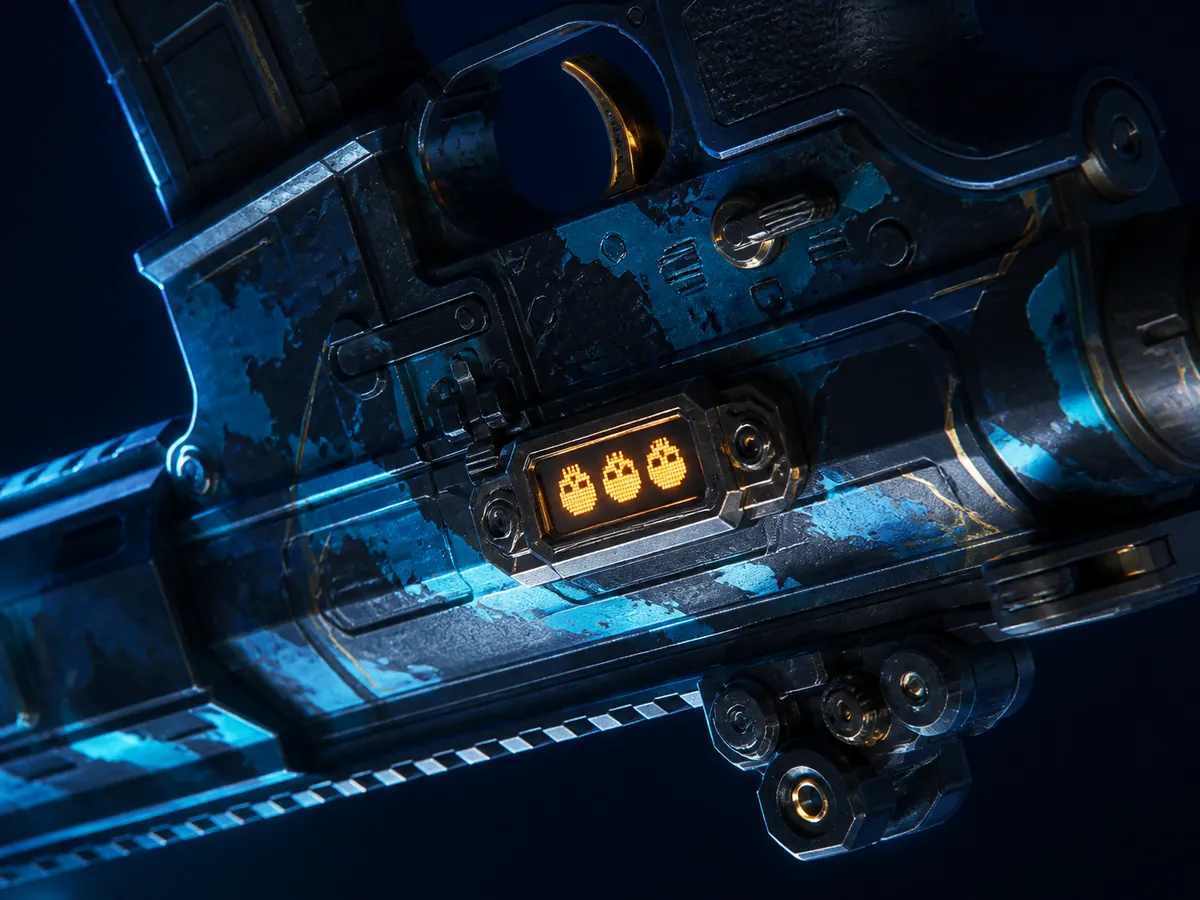
Case-opening simulators are useful for one thing: showing what the probabilities look like over many openings. The problem is that many people use a simulator to persuade themselves to open real cases. Let’s examine the numbers honestly.
Official drop probabilities by rarity, why a knife appears once every 400 openings, and what the simulator shows and what it never shows.
Understanding the probabilities
The drop rates for rarities in standard case are approximately as follows: military quality - about 79.92%, prohibited - 15.98%, classified - 3.20%, secret - 0.64% and special items, that is, knives and gloves, - 0.26%.
Let’s put it in an understandable way: a red item drops out approximately once every 156 openings, a knife or gloves - approximately once every 400.
Within each rarity, the specific skin is chosen randomly, and the condition is determined by a separate roll. That is, the dropped red one may well end up in Battle-Scarred and cost three times less than you expected.
Calculating expected returns
The cost of one opening is the price of case plus the price of the key. The key is purchased for a fixed amount and cannot be exchanged.
Multiply the cost of opening by 400 - you will get how much one knife will cost you on average. Now compare with the price of an average knife from this case on the Marketplace. The difference will not be in your favor, and this is not an accident: the system is designed that way.
At the same time, the 399 remaining openings also give something - mostly cheap blue items, which in total cover only part of the costs. The final math is consistently negative for the opener.
- The key cannot be sold or exchanged - it is a sunk expense.
- case can be sold without opening, and this is the only guaranteed income from it.
- Past unsuccessful openings do not increase the chance of the next one.
Two costly misconceptions
“I opened two hundred cases without a knife, which means I’ll get lucky soon.” Doesn't mean that. Each opening is independent, and the probability on the two hundred and first is exactly the same as on the first. This is a classic gambler's fallacy, and the entire industry rests on it.
“The simulator showed profit, so it’s worth a try.” A simulator with a small number of runs shows randomness, not a pattern. Run it a thousand times in a row and look at the final balance - this will be an honest picture.
This is where the only real benefit of the simulator is: it demonstrates for free what real cases demonstrate for money.
Be careful with case-opening websites
Third-party “cases opening” sites are not Steam. The probabilities there are set by the site owner, it is impossible to check them, and they have no connection with the official Valve odds.
Typical problems: there is a win, but the withdrawal does not work; requirement to top up your balance for withdrawal; sudden verification after a big win. Plus a separate risk - entering through a fake Steam window.
If you want to look at the math, take the simulator, which does not ask for anything: no login, no Trade URL, no payment.
Frequently asked questions
What is the probability of getting a knife from a case?
About 0.26%, that is, approximately once per 400 openings. The specific knife and its condition are determined separately.
Does opening cases pay for itself?
On average no. The cost of the 400 openings required for one knife is usually more than the price of the average knife from this case.
Do unsuccessful openings improve the next opening’s odds?
No. Each opening is independent, there is no accumulated luck.
Are case simulators accurate?
The good ones use formal probabilities and are useful as a demonstration of mathematics. But a small number of runs shows randomness, not the real picture.
Are third-party case-opening websites safe?
Third-party sites operate according to their own rules, their chances cannot be verified, and logging in through them is a frequent source of phishing.

Keeping a skin trading journal: records and results
What fields are needed in the table, four metrics that show the real result, and why, without accounting, almost everyone is sure that they are trading profitably.
Read guide
Skin price growth: what you can and cannot assess
An honest analysis of the factors that move prices: supply reduction, popularity, updates. And why it is better to replace the forecast with scenarios with a pre-selected action.
Read guide